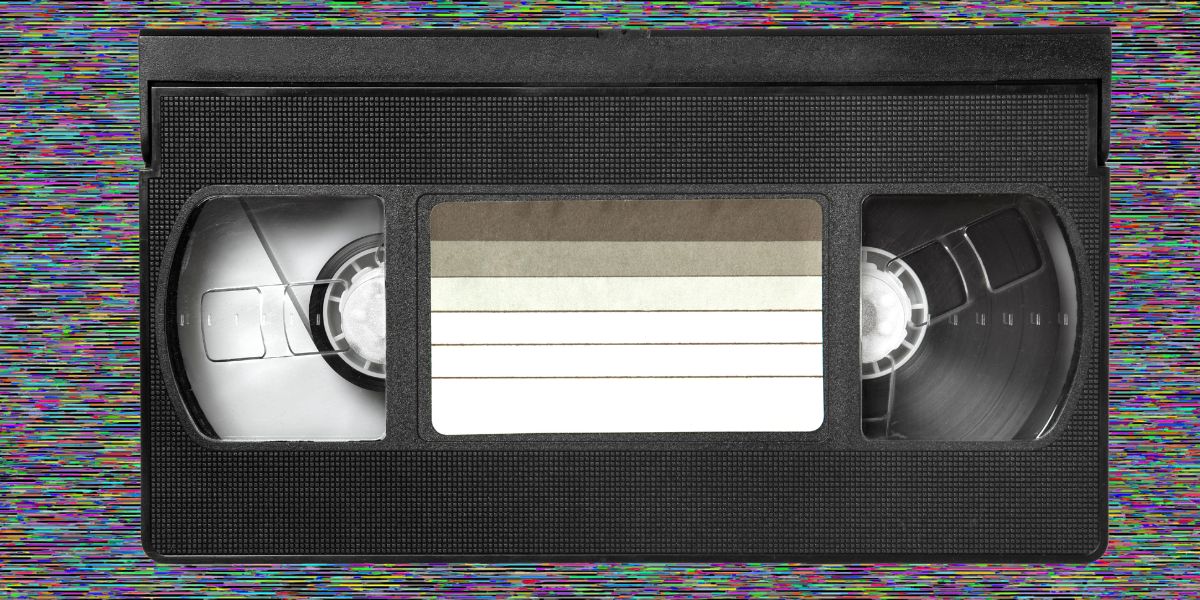
There was a time when the phrase “straight-to-VHS” was the ultimate insult in the film industry. It conjured up images of dusty bargain bins, terrible acting, and wildly misleading cover art designed to trick unsuspecting video store customers.
By today’s standards, the format is practically prehistoric. The final VCR rolled off the assembly line back in 2016, and most remaining players are currently buried under decades of dust in garage corners. Yet, South African filmmaker Robert dos Santos is determined to give the magnetic tape a modern, slightly cheeky makeover.
His low-budget sci-fi adventure, This is How the World Ends, is officially being promoted as the first straight-to-VHS release in two decades. Far from a cheap gimmick, dos Santos views the move as a direct act of defiance against the rapid rise of artificial intelligence in Hollywood.
Reclaiming the Bargain Bin
The film follows a brother searching for his sister at a hedonistic desert festival dubbed the “last party on earth.” To capture the appropriate atmosphere, the production team filmed largely at AfrikaBurn, South Africa’s equivalent to Burning Man.
Launched to coincide with National VCR Day on 7 June, physical copies of the film are being distributed by dos Santos’ production company, And Films. Against all traditional market logic, global pre-orders have already cracked the 1,000 mark.
A Complete Reversal of Hollywood Logic
The unexpected demand has caught the attention of boutique physical media specialists VHS Haven in the United States, who have signed on for American distribution. Following meetings at the Cannes Film Festival, conversations are even underway with major indie distributors like Neon and AMC for a potential theatrical run.
Releasing a movie on tape before sending it to cinemas is completely backwards by industry standards, but dos Santos believes the unorthodox approach is precisely why it is working. It allows indie filmmakers to bypass traditional gatekeepers and build a dedicated community of film lovers from the ground up.
While the novelty of a tape release guarantees headlines, the core motivation behind the project is deeply philosophical. For dos Santos, a former lawyer who turned to filmmaking after surviving multiple armed robberies in South Africa, cinema is meant to be a tangible, organic experience.
Frustrated by endless industry headlines proclaiming that “Hollywood is cooked” due to AI, dos Santos designed the release as a physical countermeasure. Ironically, the plot of This is How the World Ends mirrors this real-world anxiety, taking place during the final days of a losing war between humanity and an AI machine state.
As tech companies continue to encourage creators to simply “push a button” to generate content, this analogue experiment serves as a reminder of what makes storytelling valuable in the first place. A streaming subscription might offer thousands of titles at the click of a button, but it cannot replicate the tactile satisfaction of popping a physical tape into a machine.